

Fayetteville is the oldest housing stock we work on regularly, and the most varied. We cover 72701, 72703 and 72704 — Mount Sequoyah, Wilson Park, Washington-Willow, Hillcrest, the Sang Avenue area and out along the Mission Boulevard corridor.
Old houses, steep lots, complicated roofs
The historic districts here — Washington-Willow especially, and the streets around Wilson Park — carry houses built long before anyone standardised a roof detail. Steep pitches, cross-gables, dormers, original wood soffit and fascia, chimneys that need proper counter-flashing rather than a bead of sealant, and frequently two or three layers of shingle.
Three things follow from that, and homeowners here should know all of them before they collect quotes:
Square footage understates the job. A steep, cut-up roof takes far longer per square than a simple gable, carries several times the flashing, and generates more waste on cuts. A quote that looks dramatically cheaper is usually pricing it as though it were flat and simple.
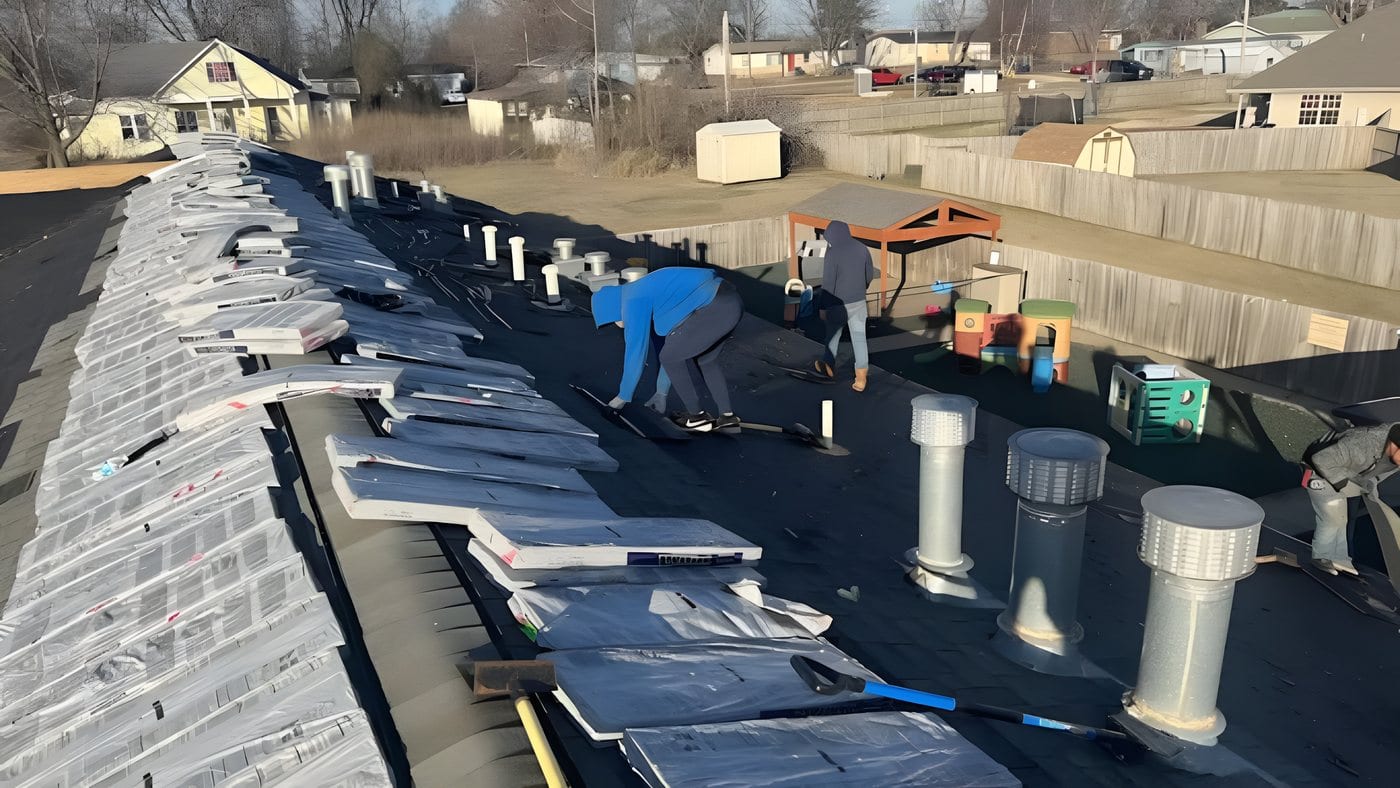
Tear-off, always. On a house of this age the decking is the unknown, and there is exactly one moment when it can be inspected. We photograph what we find before replacing it.
The chimney and the wall intersections are where it leaks. Not the field of shingles. Step flashing woven into the courses, counter-flashing let into the masonry, and kick-out flashing at the bottom of the run. Older Fayetteville houses very often have none of the third.
Mount Sequoyah adds slope to the equation — access, staging and material handling on those lots are genuinely harder, and any contractor pricing the job without walking it is guessing.
The rental factor
A large share of housing near the university is rental property, and deferred maintenance is the norm rather than the exception. What that produces is a specific pattern: roofs patched repeatedly rather than replaced, gutters that have not been cleared in years, and fascia that has been quietly rotting behind an overflowing gutter for a decade.
We work for landlords and for owner-occupiers, and the honest answer on a rental is often that repeated patching has already cost more than the replacement would have.
Trees, shade and the north slope
Fayetteville's tree cover is substantial and old. Practical consequences: gutters fill faster and need up-sizing on long runs, north-facing slopes hold moisture and grow the black algae streaking that is largely cosmetic but worth specifying against, and limb strike is a real cause of localised granule loss.
Storms
Washington County takes the same spring hail as Benton County. Fayetteville's older housing complicates a claim slightly, because an adjuster looking at a 22-year-old roof with hail bruising has two arguments available. Documentation matters more here than anywhere else we work: photographs of strikes on the shingles and on the soft metals — gutters, vents, window wraps — taken properly and early.
Permits
Work inside the city is permitted through the City of Fayetteville's development services, and there are additional review requirements for properties inside the historic districts. Outside the city limits it is Washington County. If your house is in Washington-Willow or another designated district, tell us at the estimate — it affects both the timeline and, sometimes, the materials.
What we do in Fayetteville
- Roof replacement on steep and complex historic rooflines
- Chimney, valley and wall flashing done properly rather than sealed
- Storm damage inspection and insurance documentation
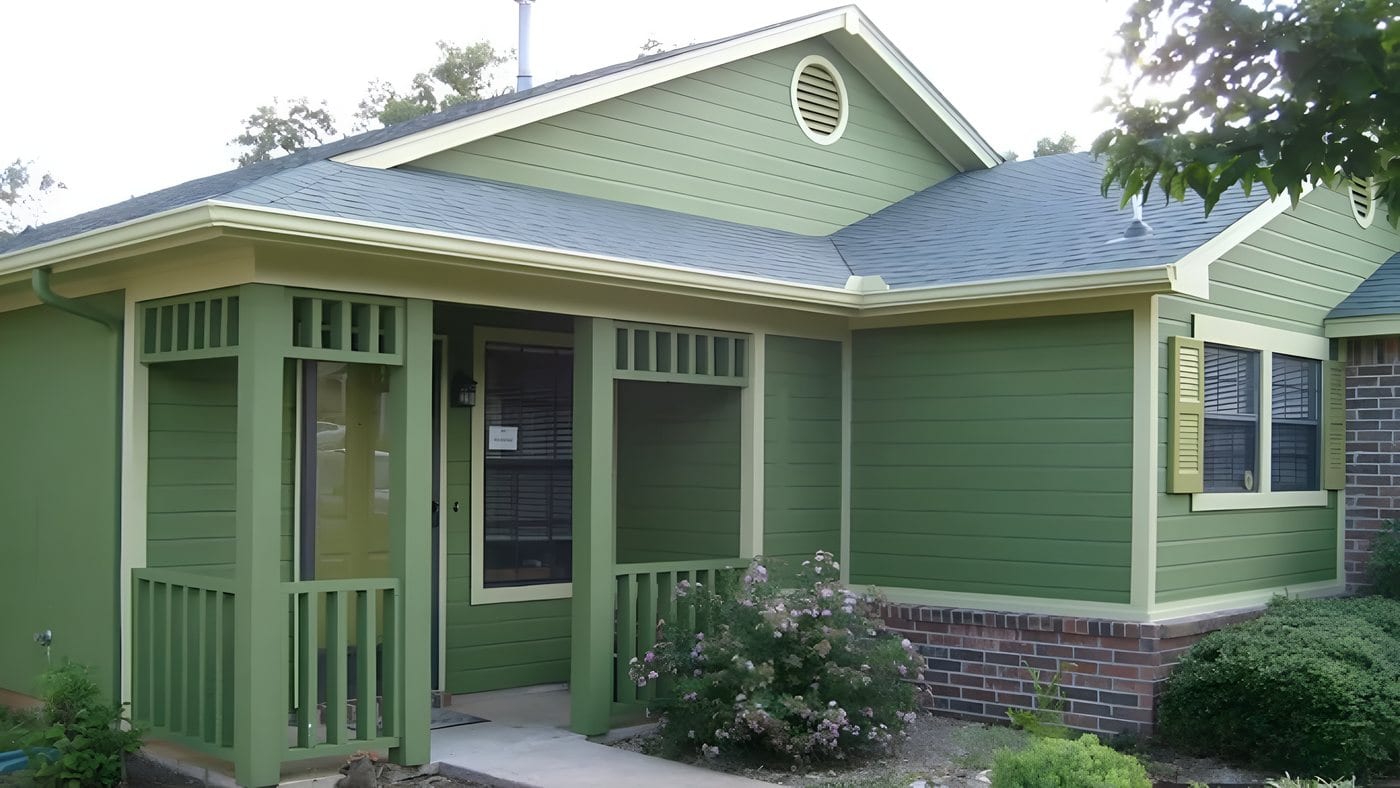
- Siding replacement in vinyl, LP SmartSide and fiber cement
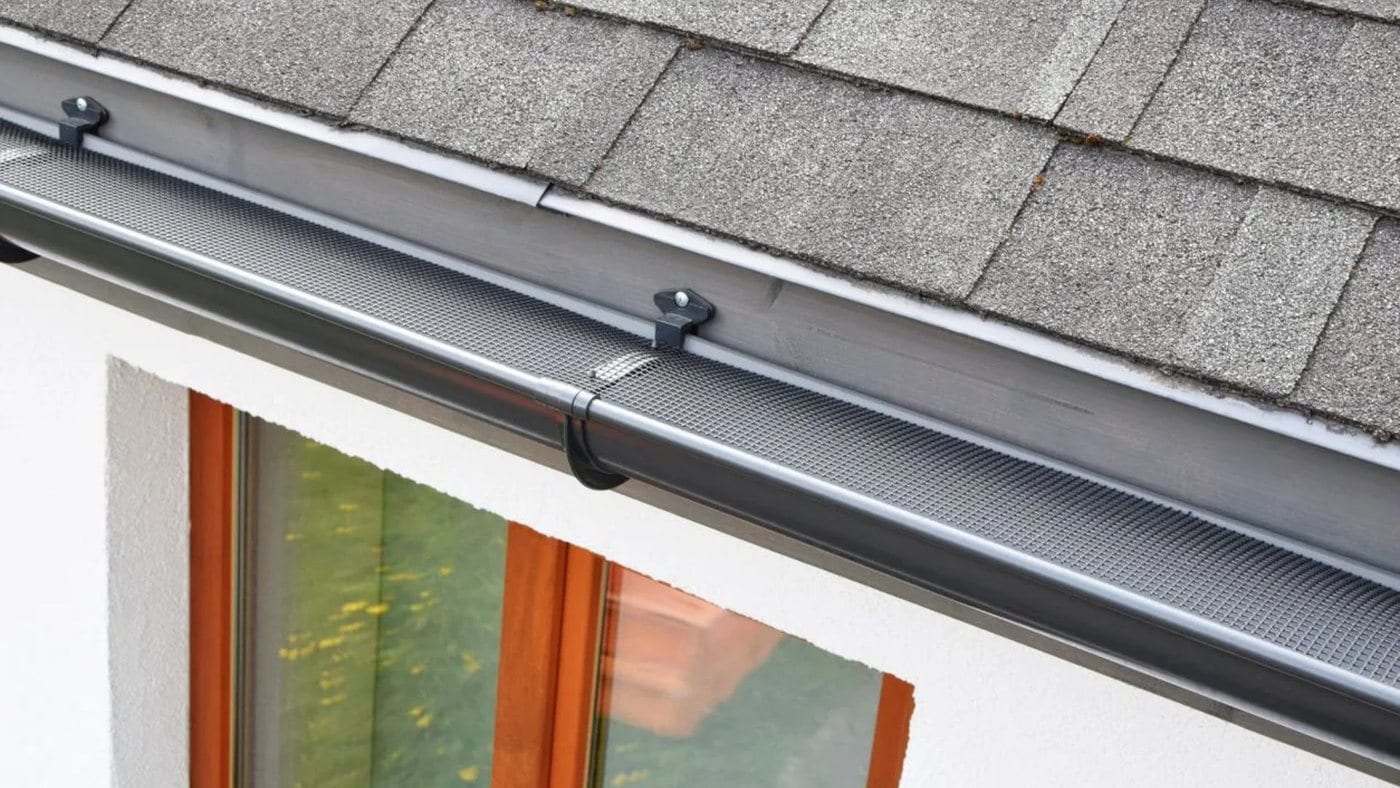
- Seamless gutters up-sized for heavy tree cover
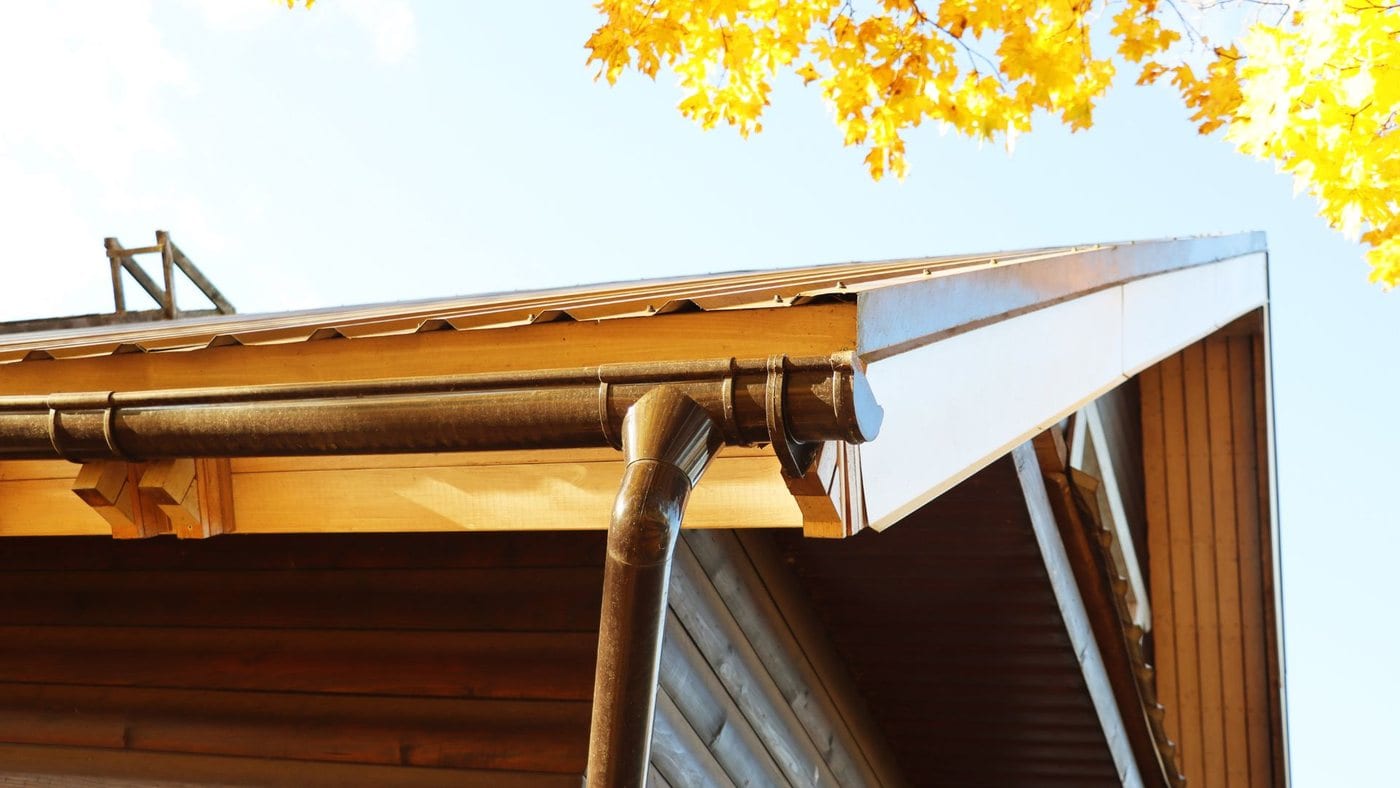
- Soffit, fascia and trim repair
- Exterior and interior painting
- General contracting on renovations and additions
Free estimates. Call (479) 799-2022.